


Evaluation
of
PFD
and
PLB
Use
Among
Newfoundland
and
Labrador
Fish
Harvesters
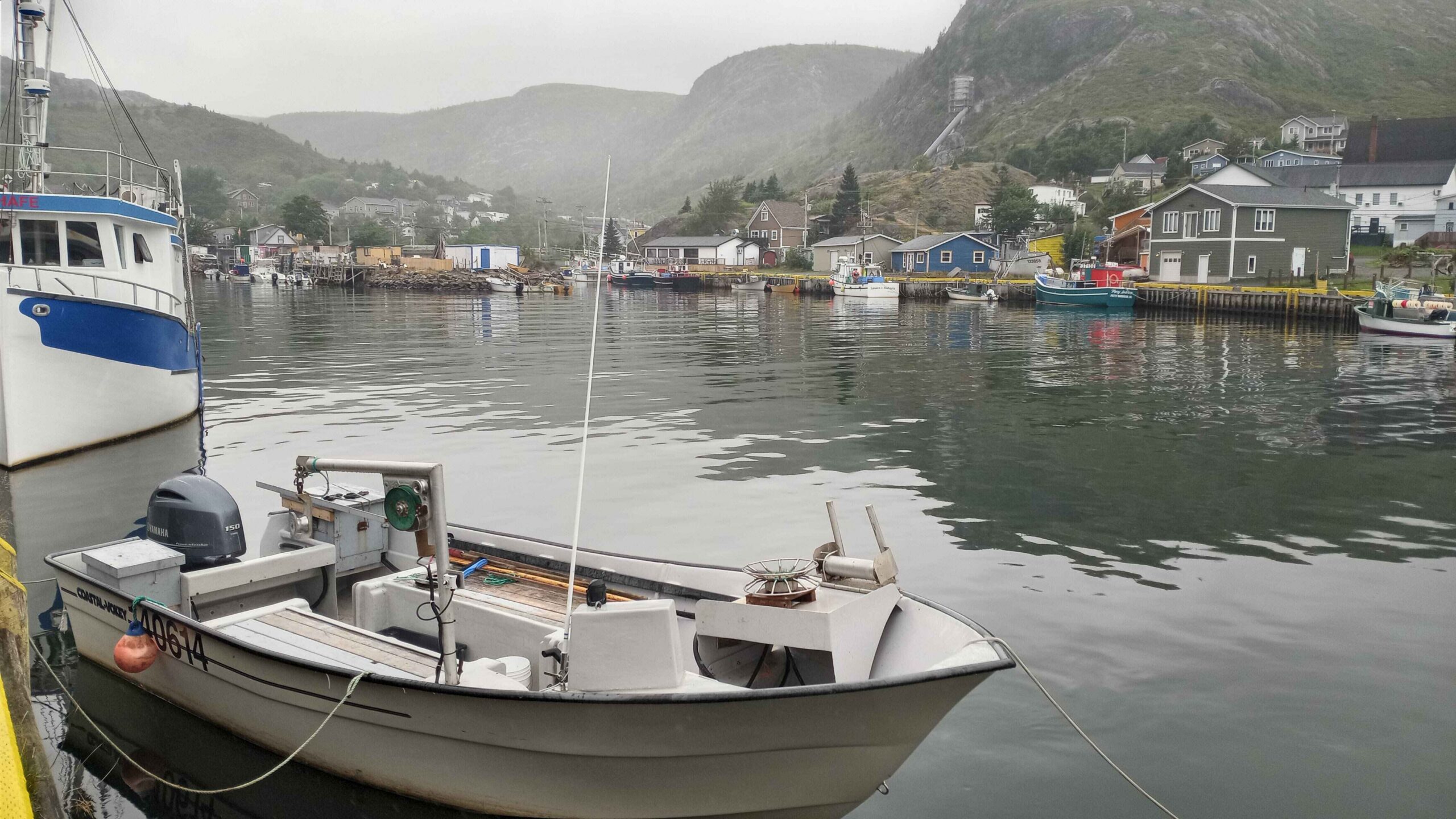
Being surrounded by the North Atlantic Ocean, many Newfoundlanders and Labradorians depend on the fishing industry for their livelihoods. However, this work is carried out in an inherently hazardous environment characterized by harsh weather conditions, cold water temperatures, and physically demanding tasks.
Commercial fishing continues to be one of the most dangerous occupations worldwide, with higher fatality and injury rates compared to national averages for all other occupations (International Labour Organization [ILO], 2023; Petursdottir et al., 2001). In 1999, the average annual number of fishing deaths worldwide was estimated to be 24,000 people (ILO, 2000), which had increased to 32,000 by 2019 (Food and Agriculture Organization, 2024). However, recent research conducted by the FISH Safety Foundation has demonstrated that these estimates are conservative and fishingrelated death estimates are well in excess of 100,000 per year (Willis et al., 2023). In Canada, there were 97 fatalities reported in the fishing industry from 2008 to 2017, and in 2018 alone there were 19 fatalities, which was nearly double the 10-year annual average of 9.7 (Transportation Safety Board [TSB], 2019). More recent data indicates that there were an additional 35 fishing-related fatalities reported in Canadian waters in the three-year span from 2019 to 2021 (TSB, 2022).
Drowning as the result of vessel disasters and falls overboard make up a larger portion of the fatalities (Jensen et al, 2014; TSB, 2022). To mitigate drowning related fatalities, a
2026-05-01 2 personal floatation device (PFD) or lifejacket is the most critically important piece of personal protective equipment (PPE) for ensuring a person stays afloat when they are in the water. However, if the individual is lacking sufficient thermal protection, it also becomes critically important that they be rescued as quickly as possible to reduce their exposure time. One of the most versatile and reliable methods for alerting rescuers is an emergency radio beacon, such as a personal locator beacon (PLB). PLBs are commercially available electronic radio frequency devices that have helped save thousands of people in distress worldwide each year.
Despite the demonstrated benefits, failure to use PFDs and emergency signaling devices, such as PLBs, has been identified as a factor leading to fatalities in fishing vessel accidents (TSB, 2012). When the TSB examined 63 fishing vessel-related fatalities between 2011 and 2017, they found that the use of a PFD could not be ascertained for 80 percent of cases. Similarly, accident investigation reports have often concluded that boating accidents, especially those involving smaller vessels, did not send any emergency distress signal and went undetected until the boat was reported overdue (TSB, 2022). Not wearing a PFD or PLB has been identified as factors leading to fatalities in fishing vessel accidents (TSB, 2022; Lincoln & Lucas, 2010).
Because PFDs have been widely available for decades, several interventions have been implemented to increase their use by fish harvesters over the years (Sorensen et al., 2019). However, as PLBs are a relatively newer technology, awareness of the device and its benefits appears to be lower. To address this gap, the Newfoundland and 2026-05-01 3
Labrador Fish Harvesting Safety Association (NL-FHSA), Professional Fish Harvesters Certification Board, Fish Food and Allied Workers Union, and Fish Harvesters’ Resource Centre introduced a personal locator beacon (PLB) campaign on February 14, 2022.
The intervention aimed to reduce barriers to PLB adoption, such as cost and accessibility, by subsidizing the cost and providing fish harvesters in Newfoundland and Labrador (NL) with direct access to in-stock PLBs ready for purchase.
This report builds on the PLB campaign by (1) evaluating the current use of PFDs and PLBs by fish harvesters in NL, (2) identifying the factors that influence their use, and (3) determine the impact of the PLB campaign over time.
FEATURED
PROJECTS

