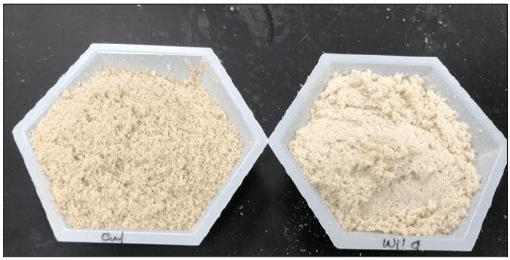





The brown macroalga Saccharina latissima (formerly known as Laminaria longicruris), commonly referred to as sugar kelp or royal kombu, is a cold-water, perennial species that thrives on hard bottom substrates(Sharma et al., 2018). The morphology of the adult sugar kelp sporophyte is defined by three key structures: holdfast, stipe, and blade. Sugar kelp is an excellent source of macro and micronutrients, containing lipids (2-6%), proteins (3-11%), ash (18-35%), and carbohydrates (40-60%) (Dhakal et al., 2024). It also contains bioactive compounds such as phenolic, sulfated polysaccharides, polyunsaturated fatty acids, minerals and carotenoids, which provide various health benefits, including anticancer, antimicrobial, antifungal, antiviral, anti-inflammatory activities and are potential sources of new therapeutic agents (Jiao et al., 2012, Pérez et al., 2016). Most available research on sugar kelp composition focuses on populations from the North Atlantic coastal line in Europe and the Eastern Pacific Ocean, where their cultivation has significantly expanded (Sæther et al., 2024). However, understanding the nutritional composition of sugar kelp along Canada's Atlantic coast, including Newfoundland, is essential for its commercialization and potential use in various industries such as food, feed, functional food, cosmetics, pharmaceuticals, and nutraceuticals. The nutritional composition and bioactivity of these compounds are influenced by several factors, including environmental conditions (light, temperature, salinity), reproductive state, age and processing methods (Pérez et al., 2016, Blikra et al., 2024).
Please click here to read more